
The lifestyle blog remains a vibrant format on the French-speaking web, but the conditions for building an audience have changed. The proliferation of content, the tightening of search algorithms, and recent legal frameworks on commercial partnerships are reshaping the rules of the game. Here are ten practical tips for structuring a lifestyle blog capable of attracting and retaining readers.
1. Choose a specific sub-niche rather than a catch-all lifestyle theme

A blog that talks about fashion, cooking, travel, and wellness at the same time dilutes its signal to search engines. A narrow niche facilitates SEO positioning and reader loyalty. Zero waste parenting, rental interior decor, or slow travel in Southern Europe are sufficiently narrow angles to attract a targeted readership.
Testing the relevance of a niche involves a simple check: type the associated queries into Google and observe the volume of results. If the first pages are occupied by large generalist media, the niche is viable, as these sites rarely cover the topic in depth.
2. Write long articles structured around a search intent

Articles that perform well in search results answer a specific question that the reader types into Google. Before each writing session, identifying the intent behind the keyword helps calibrate the content. A user searching for “how to organize a capsule wardrobe” expects a step-by-step guide, not a mood piece.
Long content (over a thousand words) tends to rank better when well-structured with subheadings, lists, and short paragraphs. Quality writing remains a prerequisite: impeccable spelling, clear sentences, zero fluff.
On lesinstantsduneblogueuse.com, this editorial structuring work around daily life and blogging illustrates how a lifestyle blog can combine regularity and depth.
3. Publish according to a sustainable editorial calendar

Regular publication sends a positive signal to search engines and gives readers a reason to return. The right rhythm is one that you can maintain over several months without burning out. Two articles per week for three months, then nothing for six, produces fewer results than a consistent weekly article.
An editorial calendar planned a month in advance reduces mental load and allows for anticipating seasonal content, which generates predictable traffic spikes.
4. Optimize each article with careful metadata

The SEO title and meta description are the two visible elements in search results before the click. A title that contains the main keyword and stays under 60 characters is more likely to be displayed in full. The meta description should entice clicks by summarizing the promise of the article.
URLs matter too. A short, readable address containing the keyword (like myblog.com/capsule-wardrobe-guide) performs better than an automatically generated URL with numbers and parameters.
5. Work on internal linking between your articles
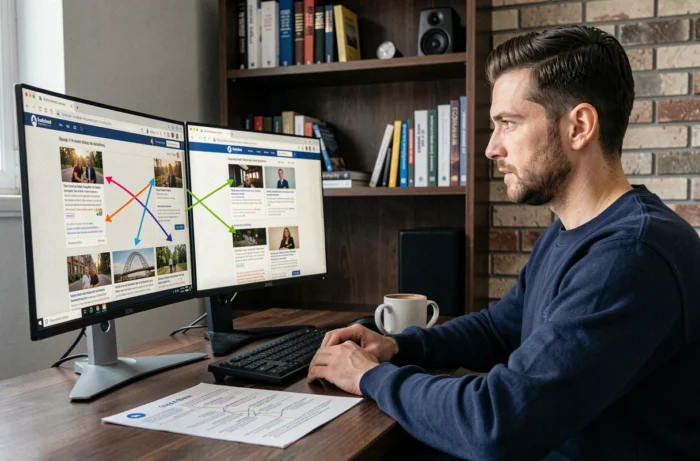
Each new article should contain two to three links to older blog content, and vice versa. This internal linking allows search engines to understand the thematic structure of the site and increases the time spent by the reader on the blog.
A common pitfall is to only link to the homepage or categories. The most useful links point to complementary articles on the topic being discussed, with descriptive anchor text.
6. Compress and caption each image for SEO

A lifestyle blog relies heavily on visuals. Uncompressed images slow down page loading, which penalizes ranking and drives away mobile visitors. Free tools can reduce the weight of an image without visible quality loss.
Each image must have an alt attribute describing its content. This alternative text helps Google index visuals and improves accessibility for visually impaired readers. “Scandinavian living room ambiance photo with linen cushion” is better than an empty field or “IMG_4032”.
7. Build an email list from the first articles
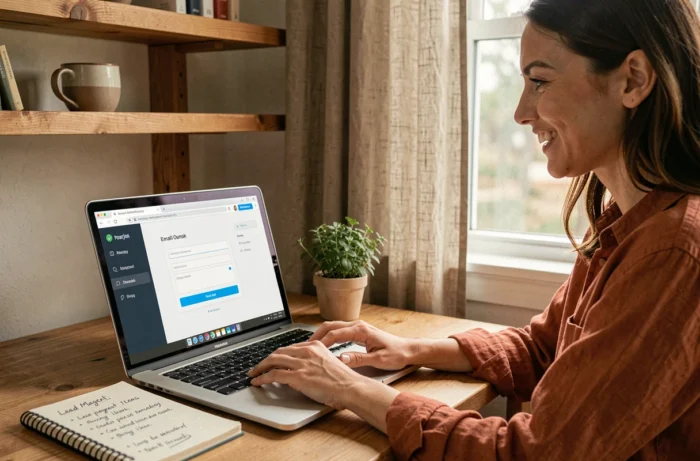
Social networks regularly change their algorithms, making organic visibility unpredictable. The newsletter remains the only channel where you control distribution. Even with just a few dozen subscribers at the start, an email list retains better than an Instagram account with variable reach.
Offering exclusive content in exchange for signing up (checklist, PDF guide, resource selection) converts better than a simple “sign up for my newsletter”.
8. Comply with legal mentions on sponsored content

Since Law No. 2023-451 of June 9, 2023, regulating commercial influence, a lifestyle blog that receives compensation to talk about a brand must clearly indicate the advertising nature of the content. Possible sanctions can go up to two years in prison and a fine of 300,000 euros for misleading commercial practices.
An order from November 6, 2024, has relaxed the wording: mentions like “Sponsored”, “Partnership”, “Product gifted”, or “Invitation” are now accepted, provided they are immediately understandable to the public. Furthermore, a decree from 2025, effective January 1, 2026, makes a written contract mandatory as soon as the compensation with the same advertiser reaches 1,000 euros excluding VAT.
9. Diversify content formats beyond text
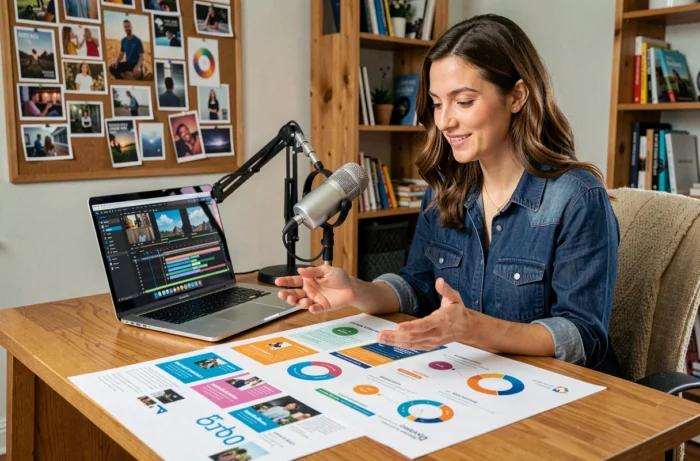
A text article remains the foundation of SEO, but adding complementary formats enhances engagement. Short vertical videos, infographics, or carousels integrated into the blog increase the time spent on the page.
This diversification also serves distribution on social networks: an article can be adapted into a story, reel, carousel post, and thread, multiplying entry points to the blog without creating additional content from scratch.
10. Analyze traffic statistics each month to adjust the strategy

Publishing without consulting data is like navigating without a compass. Free analytics tools show which articles attract the most visitors, which keywords they arrive through, and when they leave the site.
- The bounce rate per article identifies content that does not meet reader expectations and deserves a rewrite.
- The most frequent exit pages reveal where internal linking is lacking.
- Search queries in Google Search Console reveal keywords on which the blog ranks without knowing, opening opportunities for dedicated articles.
Adapting the editorial calendar based on this data, month after month, makes the difference between a blog that stagnates and one whose audience grows steadily.