
A water leak flooding the kitchen, a locked door in the middle of the night, an electrical failure plunging the house into darkness: the urgency of home repairs pushes one to act quickly, often without guidance. What are the cost differences between a direct call to a tradesperson and an intervention through home insurance? What reflexes truly protect consumers against billing abuses?
Cost of home repairs: direct intervention or through insurance
The first reflex to adopt in the face of an emergency directly influences the final bill. Two paths oppose each other: contacting a tradesperson found online yourself, or first calling your insurer to activate the emergency repair coverage.
| Criterion | Direct call to a tradesperson | Intervention via home insurance |
|---|---|---|
| Availability | Variable depending on the tradesperson, sometimes long delays on weekends | Network of approved professionals, reachable 24/7 |
| Financial coverage | Entirely the consumer’s responsibility | Full or partial depending on the multi-risk contract |
| Choice of professional | Free, but increased risk of scams in emergencies | Approved professional imposed by the insurer |
| Prior estimate | Mandatory, but often bypassed under pressure | Managed in advance by the assistance platform |
| Recourse in case of dispute | Individual procedure (formal notice, DGCCRF) | Mediation possible through the insurer |
The key takeaway: notifying your insurer before contacting a repair service allows access to this approved network and limits out-of-pocket expenses. Guides from specialized insurers confirm this good practice, even for incidents occurring at night or on weekends.
For situations where no insurance coverage exists, platforms like sos-urgence-depannage.fr centralize available professionals and allow comparison of intervention conditions before confirming a call.
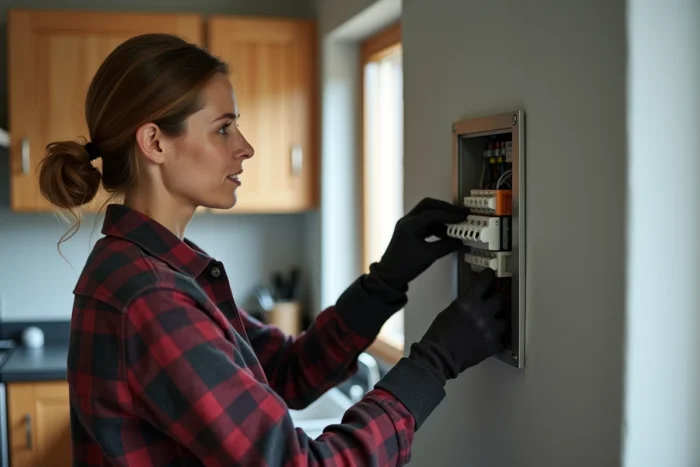
Right of withdrawal in emergencies: an exception that tradespeople forget to mention
Most articles on home repairs remind readers of the obligation for an estimate. Few detail a legal nuance that alters the contractual relationship in emergency situations.
The right of withdrawal does not apply to the strictly necessary part to respond to the emergency, when maintenance or repair work has been expressly requested by the consumer. This exception, provided for by the consumer code, only covers immediate intervention (sealing a leak, opening a locked door).
Professional’s obligation to inform
The repair person must explicitly inform you of the absence of the right of withdrawal on this part of the intervention. They must also distinguish in their documents between the emergency intervention and any additional work proposed afterward.
Any service added beyond what is strictly necessary (complete lock replacement when a simple unlocking sufficed, changing a water heater during a leak repair) remains subject to the classic right of withdrawal. It is precisely on this ambiguity that the abusive practices reported by the DGCCRF rely.
Safety gestures before the repair person’s arrival: electricity, water, gas
Waiting for a professional’s intervention does not mean remaining passive. A few gestures can reduce damage and protect occupants.
- Electrical failure: turn off the main circuit breaker, check if the outage is limited to your home or affects the neighborhood (consult the Enedis website for ongoing outages), never touch a wet appliance.
- Water leak: turn off the main stopcock, cut off the electrical supply near the flooded area, soak up water and elevate objects on the floor to limit material damage.
- Gas problem: do not operate any electrical switches, ventilate widely by opening windows, leave the premises and call the gas emergency number from outside.
Cutting off the affected supply before any other action remains the primary safety rule, regardless of the type of failure. This simple step prevents the worsening of the incident and facilitates the repair person’s work upon arrival.
Documenting the incident for insurance
While waiting, photographing visible damage and keeping defective parts is a reflex too often neglected. These elements expedite the claim process and strengthen the case in the event of a disagreement over the extent of repairs.
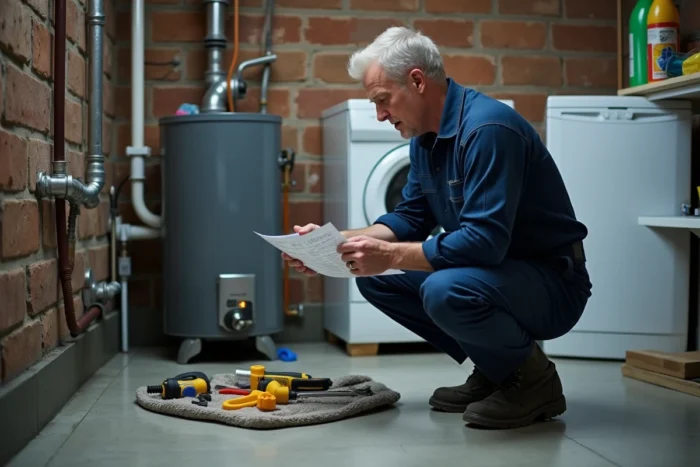
Identifying an abusive repair person: concrete signals to check
Urgency can cloud judgment. A few quick checks can help dismiss unscrupulous professionals even before they step through the door.
- The professional refuses to provide a written estimate or claims that the emergency exempts them from this formality: this is false, the estimate remains mandatory even in emergency interventions.
- The price quoted over the phone differs significantly from the one presented on-site, with travel or “diagnostic” fees added without warning.
- The tradesperson insists on replacing an entire piece of equipment when the failure concerns a single part, or proposes additional work unrelated to the initial problem.
- No mention of the SIRET number, ten-year insurance, or professional qualification on the estimate or invoice.
The DGCCRF recommends preparing in advance a list of reliable tradespeople, contacted outside of emergency contexts. This preparation avoids relying on a sponsored search result at two in the morning.
Emergency intervention and home insurance: guarantees to check in your contract
Not all multi-risk home insurance contracts cover emergency repairs in the same way. Some guarantees are triggered only for specific incidents (water damage, burglary), while others include an annual cap on interventions.
Checking the “emergency repair assistance” clause in your contract before an incident occurs allows you to know exactly which situations are covered. The most comprehensive contracts provide coverage for locksmiths, plumbers, and electricians, with a network available at all times.
On the other hand, interventions related to maintenance failures or appliance breakdowns generally do not fall under this guarantee. Consulting the specific conditions of your contract remains the only reliable way to know your actual rights before dialing an emergency number.